Überblick
Ich bin in Basel, Schweiz, ansässig und auf die Konservierung architektonischer Oberflächen spezialisiert, mit einem Fokus auf anorganische Materialien und ihren baulichen Kontext. Dazu gehören zum Beispiel Stein und Putz sowie dekorierte Oberflächen wie Wandmalereien und Mosaike.
Durch umfassende Dokumentation, Bauuntersuchungen sowie die Planung und Durchführung von Pflegeprogrammen und Interventionen möchte ich durch lösungsorientierte Ansätze zur Erhaltung unseres gemeinsamen Kulturerbes für zukünftige Generationen beitragen.
Ich würde mich freuen, mit Ihnen auf Deutsch, Französisch, Italienisch und Englisch zusammenzuarbeiten.
Dienstleistungen


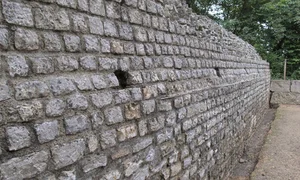
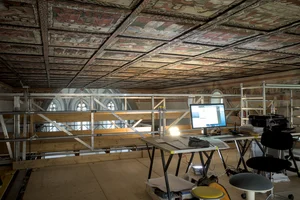
In-situ-Dienstleistungen konzentrieren sich auf sorgfältige Planung und effiziente Ausführung, um architektonische Oberflächen wie Wandmalereien, Mosaike, Putz, bemalten Putz, Stein und Mauerwerk zu erhalten.
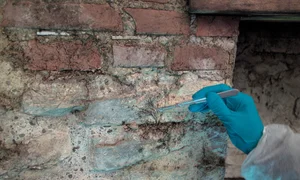
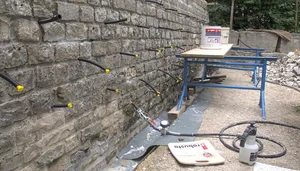
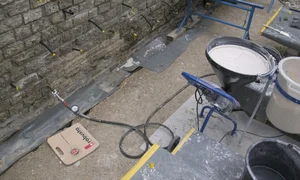
Die Leistungen umfassen beispielsweise die einfache Entfernung von Oberflächenablagerungen, Stabilisierung durch Mörtelinjektionen, Konsolidierung von sandenden Bereichen, schützende Mörtelanböschungen und Ergänzungen sowie ästhetische Integration. Jeder Schritt ist im Hinblick auf die Langlebigkeit und Authentizität des Objekts konzipiert und wird durch umfassende Dokumentation begleitet.


Monitoring und Wartung sind die effizientesten und kostengünstigsten Ansätze zur Erhaltung von Kulturerbeobjekten. Dieser Prozess umfasst die Identifizierung aktiver Probleme und das direkte Angehen deren Ursache, bevor der Schaden auser Kontrolle gerät. Er ermöglicht auch die Entwicklung eines aktiven Verständnisses des Kulturerbeobjekts und optimiert dadurch die Betreuungsstrategien.
Im Rahmen des Monitoring und Wartung werden individuell Empfehlungen und Pläne entwickelt, um den Anforderungen des jeweiligen Kontexts gerecht zu werden. Sie können beispielsweise durch intervallbasierte visuelle Dokumentation mittels Photogrammetrie oder Umweltüberwachung ergänzt werden.


Die Bauforschung beinhaltet detektivische Arbeit, um die Abfolge von Baumassnahmen oder Dekorationsarbeit sowie die verwendeten Technologien zu identifizieren. Sie hilft dabei, ein umfassenderes Bild des Kulturerbes zu zeichnen, was für die Entscheidungsprozesse im Bezug auf dessen Erhalt wichtig ist.
Verschiedene Werkzeuge kommen für diese wichtige Aufgabe zum Einsatz, einschließlich der Konsultation vorhandener Dokumentationen, der visuellen Untersuchung des Gebäudekontexts, der gründlichen Dokumentation von Schlüsselaspekten und der stratigraphischen Arbeit an strategischen Positionen.


In Kombination mit Zustandsuntersuchungen wird die Klimaüberwachung als ein wirksames und kostengünstiges Werkzeug zum Verständnis von Verfallsphänomenen und -trends betrachtet und ist daher weitreichend in der Konservierungspraxis implementiert.
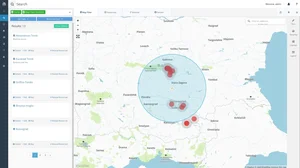
Die angebotenen Überwachungslösungen sind energieeffizient und für den Außeneinsatz geeignet. Dank einer Ferndatenerfassungstechnologie ist es möglich, Daten von überall aus zu überprüfen und zu visualisieren, wodurch die strategische Planung von Kontrollbesuchen erleichtert wird.


Schutzbauten werden in verschiedenen Kontexten innerhalb des Baudenkmals und bei großformatigen Kunstwerken eingesetzt. Die strategische Optimierung dieser Schutzbauten ist entscheidend, um Risiken zu reduzieren und ihre Funktion für langfristigen Erhalt zu gewährleisten.
Der Service umfasst die Bewertung bestehender Schutzbauten sowie die Optimierung von neuen Projekten. Diese werden detailliert an den Expositionskontext, die Anforderungen der originalen Materialien und die Bedürfnisse bezüglich des Besucherzugangs angepasst. Das Ziel ist es, mit guten Entscheidungen das Kostendach einzuhalten und gleichzeitig den langfristigen Erhalt des Kulturerbeobjekts zu gewährleisten.


Projekte zur Instandhaltung von Baudenkmalen und Kunst am Bau erfordern umfangreiche visuelle Dokumentation für die Planung und Durchführung von Interventionen sowie zur gezielten Zustandsüberwachung.
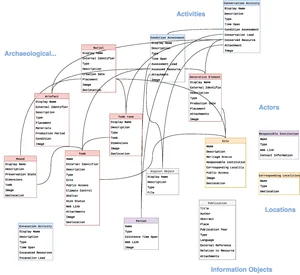
Terrestrisches Laserscanning (TLS) und Photogrammetrie werden eingesetzt, um die Geometrie und visuellen Informationen des Kulturerbes zu erfassen, aus denen dann Pläne und Orthofotos erstellt werden. Beobachtungen werden mit Hilfe von GIS-Tools auf Tablet-Geräten oder auf Papier, je nach Umfang und Anforderungen des Projekts, annotiert.


Das Verständnis der Eigenschaften bestimmter Proben ist von entscheidender Bedeutung, nicht nur um die ursprünglich verwendeten Materialien und Techniken zu erkennen, sondern auch um Verfallsphänomene zu analysieren und massgeschneiderte Eingriffe für spezifische Kontexte vorzunehmen.
Viele physikalische Eigenschaften können entweder vor Ort oder im Labor untersucht werden, während speziellere Methoden über Partnerlabore durchgeführt werden.
Portfolio
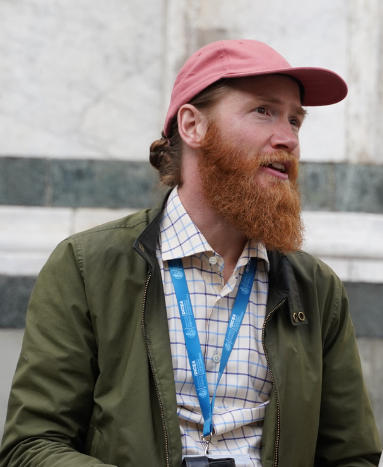
Anjo Weichbrodt
MA Konservator-Restaurator SKR
Meine berufliche Laufbahn begann als Praktikant in der Wandmalereikonservierung in Frankreich. Danach baute ich Wissen und Erfahrung durch ein Grundstudium und Arbeit in Rom, Italien auf. Im Anschluss spezialisierte ich mich im Masterprogramm für die Konservierung architektonischer Oberflächen an der SUPSI in der Schweiz, wodurch meine Kenntnisse und Fähigkeiten erweitert und mein Engagement für das Feld gestärkt wurden.
Im Laufe der Zeit ergaben sich verschiedene Gelegenheiten, das Wissen über Verfallserscheinungen und Materialeigenschaften zu vertiefen und Strategien zu deren Beurteilung anzuwenden. Diese Kenntnisse unterstützten mich dabei, Herangehensweisen zu entwickeln, die im besten Interesse zur Erhaltung der ursprünglichen Materialien und ihres Kontextes liegen.
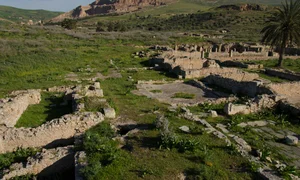
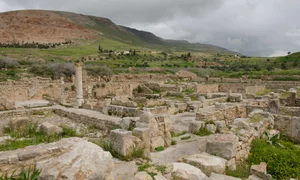
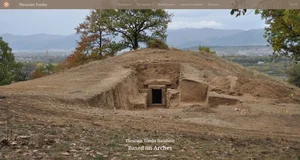
Neben der Arbeit an historischen Bauwerken war ich auch aktiv an archäologischen Stätten tätig, was mir ermöglichte, mich unter anderem mit einer Vielzahl von Schutzbauten auseinanderzusetzen. Diese Erfahrungen führten dazu, dass ich meine Fähigkeiten im Umweltmonitoring und in der Optimierung von Schutzbauten weiterentwickelte.
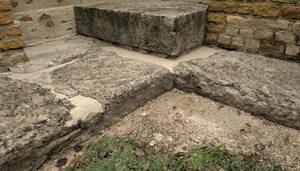
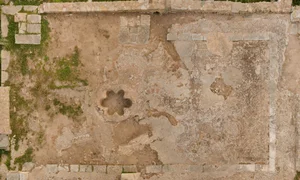
Die Arbeit an grossflächigen Oberflächen wie Wandmalereien, dekorativem Putz, Mosaiken und archäologischen Mauerwerken verlangte von mir, meine Fähigkeiten in Dokumentations- und Vermessungstechniken, einschließlich Fotogrammetrie und Geoinformationssystemen (GIS), kontinuierlich zu erweitern und zu verbessern.
Neben der Planung und Durchführung von Feldarbeiten habe ich an Teamprojekten unterschiedlichster Disziplinen teilgenommen, die zur Entwicklung meiner Forschungs- und Schreibkompetenzen beigetragen haben. Diese Erfahrungen stellen eine wertvolle Ergänzung zu meiner praktischen Arbeit in situ dar.
Bisherige Kunden

Mitgliedschaften